
In a world buzzing with chaos and noise, the concept of “peace flow” offers a refreshing escape. Imagine gliding through life like a serene river, effortlessly navigating around obstacles while maintaining your inner calm. It’s not just a catchy phrase; it’s a way to reclaim tranquility amidst the daily grind.
This article dives into the art of cultivating peace flow, where stress takes a backseat and happiness takes the wheel. Whether you’re dodging deadlines or juggling responsibilities, learning to embrace this harmonious state can transform your life. So buckle up and prepare for a journey that promises to turn your whirlwind existence into a smooth ride of serenity. Who knew finding peace could be this fun?
Understanding Peace Flow
Peace flow represents a continuous state of calm amid daily disruptions. It allows individuals to regain balance and maintain serenity.
Definition of Peace Flow
Peace flow is a mindset that fosters tranquility during life’s turmoil. It encourages individuals to remain centered despite external chaos. By embracing this concept, one can cultivate a harmonious existence. This state involves the ability to navigate stress with ease while focusing on present moments. Practicing mindfulness techniques often enhances one’s experience of peace flow. Through meditation or intentional breathing, practitioners experience reduced anxiety and increased clarity.
Importance of Peace Flow
Peace flow plays a crucial role in mental well-being. It reduces stress and promotes a healthier lifestyle. Individuals experiencing peace flow are better equipped to handle challenges. This state improves decision-making by allowing for a clear and focused mind. Engaging in peace flow supports emotional resilience, fostering positive relationships in personal and professional contexts. Prioritizing peace flow leads to enhanced overall happiness, as it encourages a more balanced approach to life. Each moment spent in peace flow contributes to long-term benefits for both mind and body.
Elements of Peace Flow
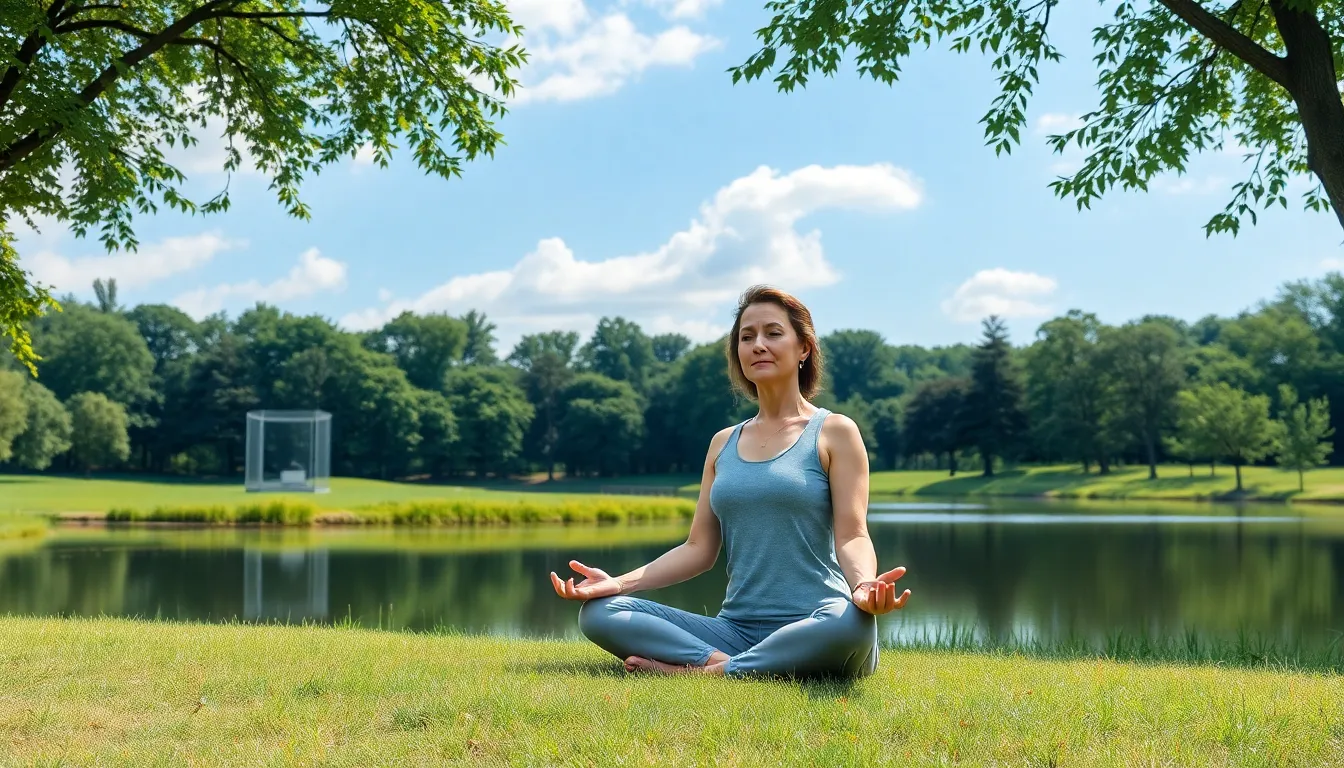
Peace flow encompasses vital components that foster tranquility amidst chaos. Understanding these elements enhances one’s ability to cultivate a serene existence.
Emotional Balance
Emotional balance stands as a cornerstone of peace flow. It allows individuals to respond to stressors with composure, rather than reacting impulsively. Achieving emotional equilibrium increases resilience against life’s challenges. Techniques such as self-reflection and emotional regulation cultivate this balance. Engaging in activities that bring joy and contentment also plays a significant role. Individuals with emotional balance experience increased overall well-being, leading to sound decision-making and healthier relationships.
Mindfulness Practices
Mindfulness practices form another essential element of peace flow. These practices ground individuals in the present moment, promoting awareness and reducing anxiety. Meditation serves as a popular method, allowing for deeper focus and relaxation. Breathing exercises can also enhance mindfulness, creating a sense of calm. Incorporating gratitude journaling encourages positive thinking and emotional clarity. Regular practice of these techniques fortifies the ability to maintain peace even in turbulent times, leading to improved mental health.
Benefits of Peace Flow
Peace flow provides several advantages that contribute to overall well-being. Individuals who engage with this practice experience remarkable improvements in various aspects of their lives.
Improved Mental Health
Improved mental health occurs through consistent practice of peace flow. Stress reduction plays a primary role in alleviating anxiety. As individuals embrace tranquility, they cultivate resilience against negative emotions. Mindfulness techniques enhance this effect, promoting emotional regulation. Regular meditation or deep breathing exercises encourage a calmer mind. These practices foster greater self-awareness, enabling individuals to understand triggers better. Reduced stress levels correlate with enhanced daily functioning and decision-making skills. Statistics show that people practicing mindfulness report a 30% decrease in anxiety symptoms. Overall, peace flow significantly contributes to a healthier mental state.
Enhanced Relationships
Enhanced relationships stem from the ability to approach interactions with a calm mindset. Peace flow allows individuals to respond thoughtfully rather than react impulsively. Greater emotional balance fosters empathy and understanding in conversations. These qualities strengthen connections with friends, family, and colleagues. Practicing peace flow minimizes conflicts, promoting open communication among parties involved. Improved mental clarity enables more meaningful discussions, further enriching relationships. Data indicates that people who practice mindfulness experience 25% better relationship satisfaction. By embodying peace flow, individuals create more supportive and harmonious environments.
Strategies to Cultivate Peace Flow
Cultivating peace flow requires intentional practices and engaging activities that foster tranquility. Implementing these strategies enhances one’s ability to navigate life’s challenges with a calm mindset.
Daily Practices
Establishing a daily routine creates a foundation for peace flow. Incorporating mindfulness techniques, such as meditation, helps individuals focus and regain composure. Engaging in intentional breathing exercises enhances relaxation, reducing overall anxiety. Plus, dedicating time to gratitude journaling fosters appreciation, reinforcing positive emotions. Committing to joyful activities also contributes significantly, providing moments of joy amidst stressors. These daily practices enable individuals to experience a continuous state of calm and tackle challenges more effectively.
Group Activities
Participating in group activities promotes community and shared experiences. Joining meditation or yoga classes encourages a collective approach to achieving peace flow. Discussions on mindfulness within peer groups can enhance understanding and support. Engaging in team-building exercises fosters trust, minimizing interpersonal conflicts and promoting empathy. Additionally, outdoor group activities, like hiking, can immerse participants in nature’s tranquility. These group interactions create a supportive environment that amplifies individual efforts toward cultivating a serene state of mind.
Challenges to Achieving Peace Flow
Achieving peace flow involves navigating several challenges that can hinder this state of tranquility. Identifying these obstacles is crucial for fostering a peaceful mindset.
External Influences
Daily life presents numerous external influences that disrupt peace flow. Stressful work environments often contribute to heightened anxiety levels, making it challenging to remain composed. Expectations from family or friends may create pressure, leading individuals to prioritize tasks over their mental well-being. Social media exposure can amplify feelings of inadequacy or comparison, further eroding the sense of calm. These factors collectively hinder one’s ability to maintain serenity amidst chaos, making external awareness essential for cultivating peace flow.
Internal Resistance
Internal resistance poses a significant barrier to achieving peace flow. Self-doubt can lead to negative thought patterns, undermining efforts to cultivate tranquility. Individuals may struggle with emotional triggers that provoke anxiety or frustration, disrupting mindfulness practices. Past experiences might create a mental block, making it difficult to embrace the present moment without apprehension. Overcoming this internal resistance requires commitment to self-reflection and emotional regulation, enabling individuals to reframe their mindset and enhance their peace flow journey.
Embracing peace flow can truly transform one’s life. By cultivating a continuous state of calm individuals can navigate through chaos with grace and resilience. The journey toward peace flow is not just about finding tranquility but also about fostering emotional balance and mindfulness.
Through consistent practice of techniques like meditation and gratitude journaling people can significantly reduce stress and enhance their overall happiness. As they learn to manage external pressures and internal challenges they create a more supportive environment for themselves and those around them.
Ultimately peace flow is a pathway to a more fulfilling and harmonious life. By prioritizing this state of being individuals can unlock their full potential and build stronger connections with others.